
Thailand
Breadcrumb navigation


Thailand 2030:
From Potential to Powerhouse
Thailand’s bid to lead ASEAN finance isn’t just about tech.
It’s about mindset – and a new kind of ambition.
By 2030, Thailand aims to be more than just a regional player. It wants to become ASEAN’s financial heartbeat – a hub that not only moves capital, but builds confidence, capability and connection for 650 million people across Southeast Asia.
It’s a bold ambition. And one that is already taking shape – not through grand declarations alone, but through steady groundwork in infrastructure, partnerships, and most crucially, people.
“We’re not just building systems,” says Ichiro Kurihara, President of NEC Corporation (Thailand) Ltd (NEC Thailand). “We’re building belief.”
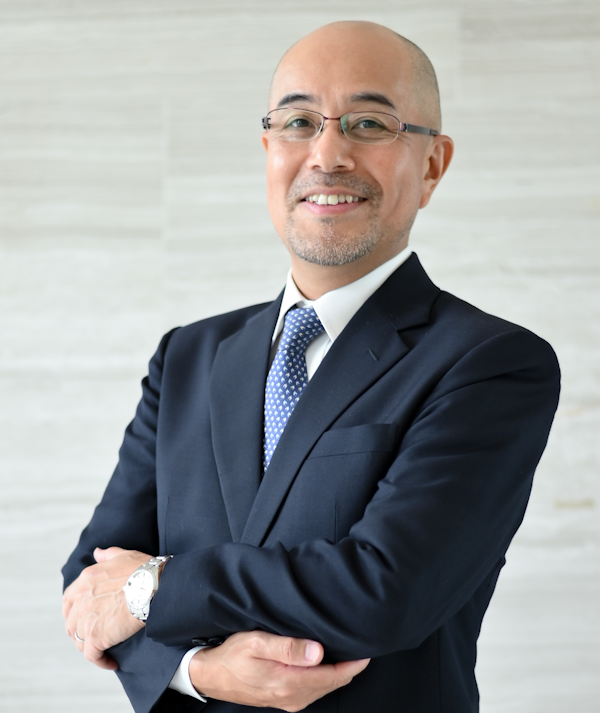
President of NEC Corporation (Thailand) Ltd
From Concrete to Capability

This shift is especially urgent as Thailand accelerates its digital economy. As Suresh Neelakantan, Head of Financial Solution Division, NEC Thailand, puts it: “You can’t scale a financial future with yesterday’s workforce.”
Upskilling is no longer optional. It’s already underway – from retraining older workers displaced by automation, to embedding AI, data literacy and digital trust into the education system. The goal isn’t just competence. It’s confidence.
Thailand’s financial transformation isn’t starting from scratch. Decades of investment in roads, rail, and trade have laid the physical foundation. Now, the country is shifting from hardware to heartware – from building things to building minds.
“In the past, foreign experts came to Thailand to lay physical infrastructure,” explains Kurihara. “Today, the need is different. We’re focusing on the capabilities of people – and that’s what will power the next decade.”
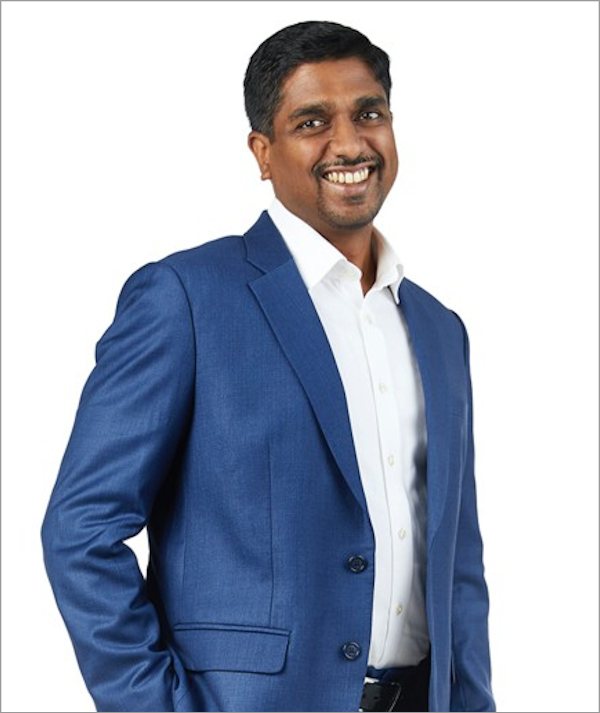
Head of Financial Solution Division, NEC Thailand
Culture, Not Just Code

Thailand’s technical potential is clear. Mobile penetration is among the highest globally. Its internal market is strong. Its location makes it a natural nexus for regional logistics and tourism flows.
What’s less obvious – but just as important – is the cultural shift taking place. While some still view change cautiously, there’s growing momentum among educators, entrepreneurs, and emerging leaders to reimagine Thailand’s global role.
Kurihara is optimistic. “There’s no shortage of talent. What we need is belief – in the ability to compete, adapt, and lead.”
The momentum for change isn’t top-down. It’s emerging across boardrooms, classrooms, and communities. A new generation of Thais isn’t just waiting for transformation – they’re quietly building it, with creativity, capability, and a belief in what’s possible.
Grounded Progress, Global Partnerships

Thailand’s approach isn’t to copy-and-paste foreign models. It’s to localise them – thoughtfully, and with long-term vision. That’s why public-private partnerships are crucial.
NEC Thailand, for example, isn’t simply exporting Japanese tech. It’s spent over 60 years co-developing solutions with Thai partners – from piloting SME supply chain finance tools, to streamlining manual lending systems, to collaborating with DEPA on nationwide upskilling.
The company is also working with universities to build fintech and AI talent pipelines, seeding the skills Thailand needs now – and tomorrow.
“Digital adoption isn’t just about tools,” says Suresh. “It’s about trust. That takes time, partnership, and cultural fluency.”
Fintech as a Force Multiplier

One of Thailand’s biggest assets might be hidden in plain sight: its rapidly evolving fintech ecosystem.
From AI-powered credit scoring to secure digital IDs, fintech can unlock financial inclusion for millions – including underserved rural communities and SMEs. Interoperable systems could transform banking from a months-long process into a matter of minutes.
But for this potential to scale, alignment is key. Banks, regulators, startups, and citizens need a shared playbook. And increasingly, they have one.
“We’re seeing a shift from fragmented pilots to coordinated platforms,” says Kurihara. “That’s where transformation gets real.”
Redefining What a Financial Hub Can Be

Thailand’s 2030 vision isn’t just about catching up. It’s about stepping forward – on its own terms.
It’s not trying to become another Singapore or Hong Kong. It’s aiming to become a future-ready Thailand – one that retains its cultural soul while embracing global standards.
That means helping a farmer in Khon Kaen access microcredit as easily as a trader in Bangkok opens a brokerage account. It means preparing students not just to code, but to lead in a digital-first world – in AI, English, and ambition.
“Let tradition meet transformation,” adds Suresh. “That’s where Thailand’s strength lies.”
The Power of Collective Will

Infrastructure matters. So does investment. But the real key to Vision 2030 may be something harder to measure: the collective will to change.
Asked what message they’d send to those shaping Thailand’s next chapter, Kurihara and Suresh were united in their response.
“Just do it,” says Kurihara. “The technology is already there. The question is: do we believe in the transformation we say we want?”
Because if Thailand can match its ambitions with action – and its talent with trust – it may not just reach its 2030 goal.
It might redefine what a financial hub looks like for the world.
From Vision to Reality: AIRA Factoring's Transformation Journey
See how AIRA Factoring partnered with NEC to accelerate its digital transformation journey.In this customer success story, discover how NEC's Financial Services Division helped AIRA Factoring strengthen operational efficiency, enhance service delivery, and build a foundation for future growth through digital innovation.Watch the video to learn how NEC combines industry expertise and technology to help financial institutions create new value in an evolving financial ecosystem.
Built on Experience.
Focused on the Future.
With 125 years of global innovation and 60 years in Thailand, NEC is a trusted transformation partner. From resilient infrastructure to future-ready finance, we help industries move forward with purpose.
Let’s Create What’s Ahead in Finance.